
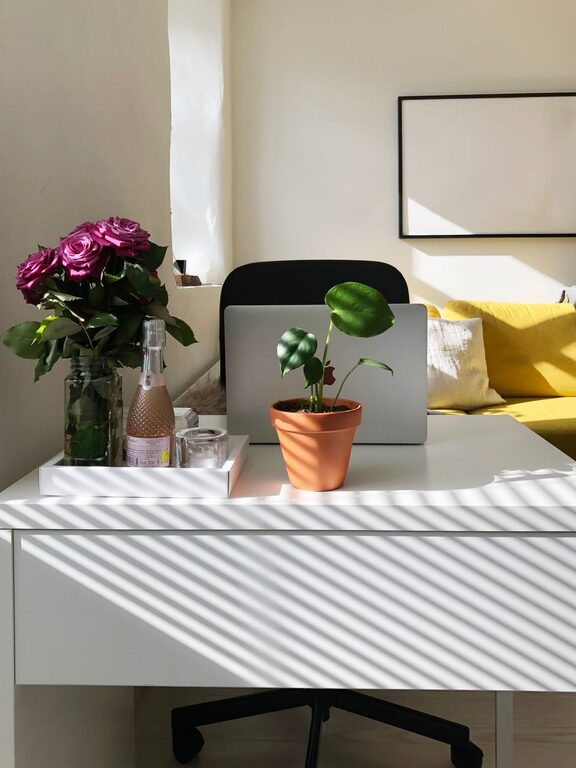
Creating a home office that is both cozy and productive can make a significant difference in how you work and feel throughout the day. Whether you’re working remotely full-time or need a dedicated space for occasional tasks, setting up an environment that supports focus and comfort will boost your efficiency and well-being. Here are some useful tips to help you design your ideal home office.
1. Choose the Right Location
Finding the best spot in your home for your office is the first step. Ideally, pick a quiet area with minimal distractions. If possible, choose a space with natural light, as it enhances mood and reduces eye strain. A corner of a living room, a spare bedroom, or a nook near a window can all work well.
2. Invest in Comfortable Furniture
Your office furniture will impact your posture and comfort during long work hours. Consider these key pieces:
– Ergonomic Chair: Look for a chair that offers good back support and adjustable height.
– Desk: Choose a desk large enough to accommodate your computer, paperwork, and any other essentials without clutter.
– Footrest: If your feet don’t touch the floor, a footrest can improve circulation and comfort.
Comfortable furniture helps reduce fatigue and encourages better focus.
3. Optimize Lighting
Proper lighting is essential. Here are some lighting tips:
– Use a mix of natural and artificial light.
– Avoid harsh overhead lighting; instead opt for soft, warm task lighting.
– Position your desk near a window to benefit from daylight.
– Add a desk lamp to illuminate work areas without causing screen glare.
Good lighting reduces eye strain and keeps energy levels steady.
4. Keep It Organized
An organized workspace fosters productivity by reducing stress and distractions. Try these organization strategies:
– Use shelves or storage units to keep supplies neatly arranged.
– Invest in drawer organizers or desk trays for smaller items.
– Declutter regularly by removing unnecessary items.
– Keep frequently used items within easy reach.
Clear spaces promote clear thinking.
5. Personalize Your Space
Adding personal touches helps create a warm, inviting environment. Consider:
– Adding plants to bring life and improve air quality.
– Hanging artwork or inspirational quotes on the walls.
– Using colorful or patterned accessories, like cushions or rugs.
– Incorporating a scent, such as essential oils or candles, to make the space pleasant.
These elements contribute to a cozy atmosphere without distracting from work.
6. Minimize Noise and Distractions
Noise can interfere with concentration, so try to minimize it:
– Use noise-canceling headphones or play soft instrumental music.
– Add rugs, curtains, or wall hangings to absorb sound.
– Set clear boundaries with family or roommates during work hours.
– Consider white noise machines if outside sounds are disruptive.
Creating a quieter environment helps maintain focus.
7. Manage Technology Efficiently
A cluttered array of gadgets and cords can be overwhelming. To manage technology:
– Use cable organizers to keep wires tidy.
– Position your monitor at eye level to prevent neck strain.
– Keep your keyboard and mouse ergonomically placed.
– Ensure reliable internet and good lighting for video calls.
Efficient tech setup supports smoother workdays.
8. Allow for Movement and Breaks
Sitting for extended periods can be tiring. Encourage movement:
– Use a standing desk or adjustable desk converter if possible.
– Take short breaks every hour to stretch or walk around.
– Incorporate gentle exercises or deep breathing to reduce tension.
Movement keeps energy levels up and improves overall health.
9. Set Boundaries and Work Hours
To maintain productivity and well-being, create clear work routines:
– Designate specific work hours.
– Use visual cues, like closing office doors or wearing headphones, to signal “do not disturb.”
– Take regular breaks to prevent burnout.
– Communicate your schedule to others in your household.
Clear boundaries help separate work time from personal time.
Conclusion
Designing a cozy and productive home office is about balancing comfort with functionality. By choosing the right location, investing in quality furniture and lighting, staying organized, and personalizing your space, you create an environment that supports focus and well-being. Minimizing distractions, managing technology smartly, and incorporating movement also contribute to a healthier and more enjoyable workday. With these tips, your home office can become a place where productivity and comfort go hand in hand.
About the Author